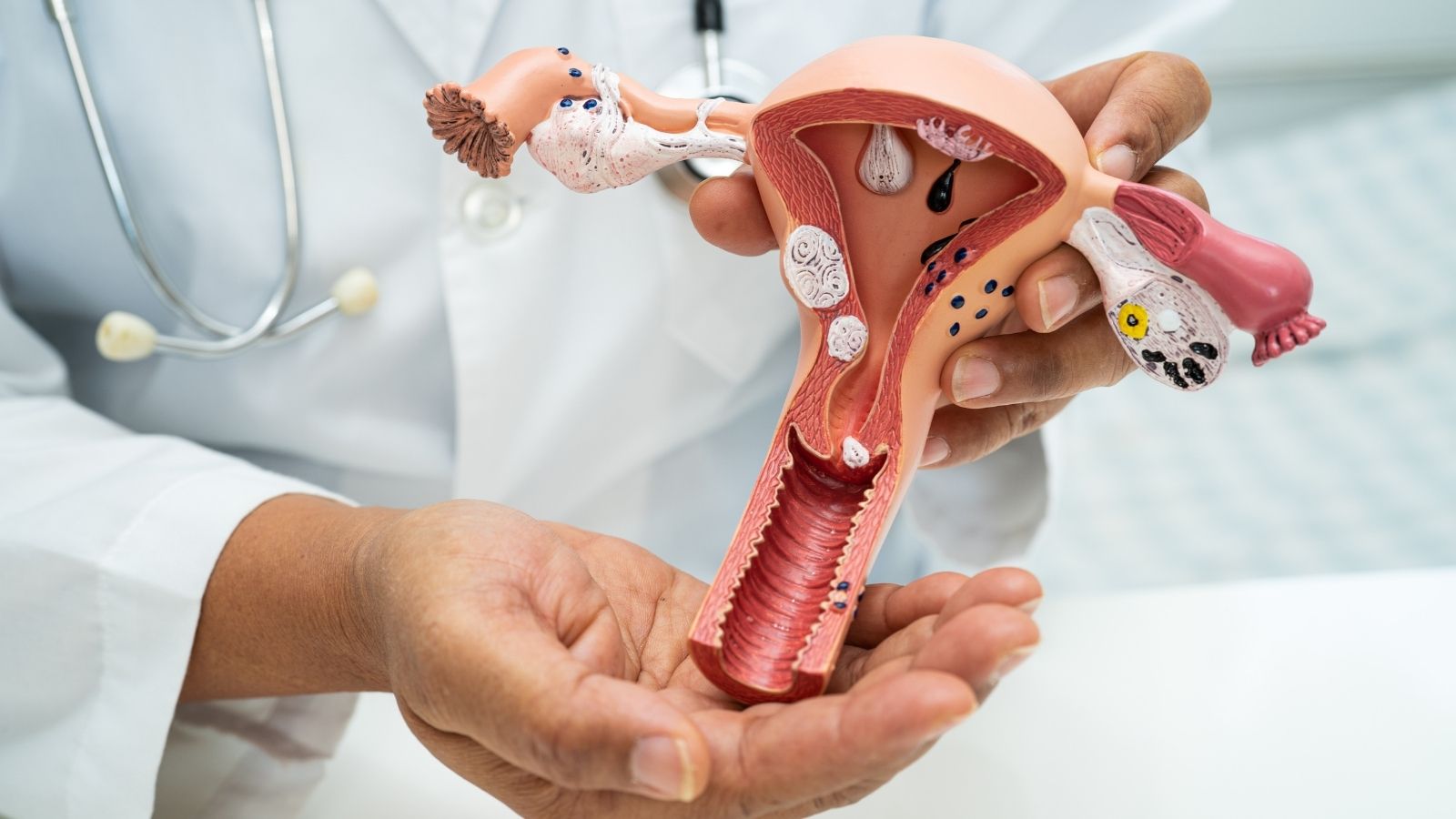
IVF itself does not directly cause insomnia, but hormonal medications and emotional stress may disrupt sleep during treatment. Anxiety about outcomes can also contribute to sleep difficulties.
Stimulation drugs alter estrogen and progesterone levels, which may affect sleep patterns and lead to restlessness, hot flashes, or vivid dreams in some patients.
Psychological stress associated with IVF is another major factor. Uncertainty, frequent clinic visits, and medical procedures may increase anxiety, impacting sleep quality.
Adopting relaxation techniques, stress management, and medical support can help improve rest. Persistent insomnia should be discussed with a physician to ensure overall well-being during IVF.
Is sleep disorder common in IVF patients?
The interplay between insomnia and depression is intricate and not fully understood. Studies indicate that a significant proportion of individuals suffering from major depressive disorder (MDD) experience sleep difficulties, while a considerable number of people diagnosed with insomnia also exhibit symptoms of MDD.
It is estimated that 60% of adults who meet the criteria for major depressive disorder (MDD) complain of insomnia, and approximately 10-20% of individuals diagnosed with insomnia meet the criteria for MDD.
Sleep disorders are a prevalent issue among patients undergoing in vitro fertilization-embryo transfer (IVF-ET), often co-occurring with severe psychological distress. Despite this, the impact of sleep disturbances on the well-being of IVF patients is frequently undervalued. (1)
Is insomnia normal in IVF?
Assisted reproductive treatment (ART) is the last resort for couples facing infertility, and the process involves daily hormone injections, ultrasound scans, semen analysis, and invasive procedures, leading to elevated levels of stress, anxiety, insomnia, depression, and changes in sexual function. Sleep disruptions, including difficulties falling and staying asleep, waking up early, and excessive drowsiness, are common symptoms among IVF patients, but often go overlooked. (2)
What does studies say about insomnia in IVF?
A recent study shows that women with sleep disorders, other than sleep apnea, may be more than three times as likely to experience infertility as compared to women who do not have sleep problems. The study found that when insomnia was the cause of women’s sleeping difficulties, they were four times more likely to experience infertility than their peers who slept well.
The study suggests that women trying to conceive should pay close attention to healthy habits that can help with sleep, including sleeping earlier, avoiding night shift work, avoiding cell phone use before sleep, having a healthy diet, and regular exercise. The study also showed that women with sleep disorders were more likely to have a variety of chronic health problems, including high blood pressure, elevated cholesterol, lung disorders, kidney issues, irregular menstrual cycles, thyroid issues, depression, and anxiety.
However, the study did not prove that sleep disorders directly cause infertility, and further research is needed to understand the relationship between sleep disorders and infertility. Even so, the study highlights the need for women to seek help when they have difficulty sleeping. Cognitive behavior therapy is recommended as the first line of treatment approach for insomnia, and it is available both in-person and through digital applications or self-help workbooks. (3)
Does insomnia affect my IVF process?
IVF can be a stressful and emotionally taxing process for many women, and it is possible that it could contribute to insomnia. Stress, anxiety, and depression are all common emotional responses to infertility and IVF, and they can interfere with a person’s ability to get good quality sleep.
Additionally, some women undergoing IVF may experience physical discomfort, such as bloating, abdominal pain, and hormone fluctuations, which can also disrupt sleep. However, it is worth noting that insomnia can have many different causes, and IVF is just one potential factor. If you are experiencing insomnia, it is best to speak with your healthcare provider to determine the underlying cause and discuss the best course of treatment for you. (4)
Can improving sleep quality help with IVF success?
Enhancing sleep quality emerges as a pivotal strategy in amplifying the efficacy of In Vitro Fertilization (IVF) treatments. Studies underscore the intricate link between restorative sleep and hormonal balance, crucial for fertility. Evidently, individuals with robust sleep routines exhibit improved outcomes in IVF endeavors. Conversely, disruptions in sleep patterns can undermine the reproductive process, hinting at the profound impact of nocturnal habits on fertility success. In light of these findings, healthcare professionals increasingly advocate for the adoption of optimal sleep hygiene as part of comprehensive IVF preparation.
Key recommendations for fostering beneficial sleep practices include:
- Establishing a consistent bedtime and wake-up schedule
- Crafting a tranquil bedtime ambiance to facilitate relaxation
- Steering clear of caffeine and other stimulants in the evening hours
Such measures not only enhance general health but also potentially amplify the prospects of IVF success. Although further empirical studies are warranted to cement the causal link between sleep quality and IVF outcomes, the prevailing evidence suggests a positive correlation. Hence, integrating sleep hygiene into the pre-IVF regimen could be a prudent strategy to augment fertility treatment effectiveness, underscoring the importance of holistic well-being in reproductive health.
Frequently Asked Questions
Does IVF cause insomnia and sleep disturbances during treatment?
Yes, some individuals experience insomnia or changes in sleep patterns during IVF treatment. Hormonal medications, emotional stress, anxiety, and physical symptoms related to treatment may contribute to sleep difficulties.
Which IVF medications are most commonly associated with insomnia symptoms?
Hormonal medications such as progesterone, estrogen, and ovarian stimulation drugs may affect mood, energy levels, and sleep quality. Individual responses vary, and not everyone experiences sleep-related side effects.
Can progesterone supplements during IVF lead to insomnia or restless sleep?
Progesterone can affect sleep differently among patients. While some individuals feel more tired, others may experience disrupted sleep, vivid dreams, nighttime awakenings, or difficulty maintaining a regular sleep schedule.
Why do some women develop insomnia after embryo transfer during IVF?
The waiting period after embryo transfer can be emotionally challenging. Anxiety about treatment outcomes, hormonal fluctuations, and increased awareness of bodily symptoms may contribute to difficulty falling or staying asleep.
How long can IVF-related insomnia last during fertility treatment?
Sleep disturbances may occur temporarily during ovarian stimulation, after embryo transfer, or while taking hormonal medications. For many patients, sleep patterns improve once treatment-related hormonal changes stabilize.
Can poor sleep during IVF reduce the chances of successful implantation?
There is no clear evidence that occasional insomnia directly prevents implantation. However, maintaining healthy sleep habits may support overall well-being, stress management, and emotional health throughout treatment.
What are the best ways to manage insomnia during an IVF cycle?
Helpful strategies may include maintaining a consistent sleep schedule, limiting caffeine, practicing relaxation techniques, reducing screen exposure before bedtime, and following recommendations from the fertility care team.
Should sleeping medications be used to treat insomnia during IVF treatment?
Patients should consult their fertility specialist before taking any sleep medications. Some products may not be appropriate during fertility treatment, and individualized medical guidance is important.
Can anxiety and stress during IVF be a major cause of insomnia?
Yes, emotional stress is a common contributor to sleep problems during IVF. Concerns about treatment success, pregnancy outcomes, and repeated procedures may significantly affect sleep quality in some patients.
When should insomnia during IVF be discussed with a fertility specialist?
Medical advice should be sought if insomnia becomes severe, persists for an extended period, affects daily functioning, or causes significant emotional distress during fertility treatment.
Eryilmaz, O. G., Devran, A., Sarikaya, E., Aksakal, F. N., Mollamahmutoğlu, L., & Cicek, N. (2011). Melatonin improves the oocyte and the embryo in IVF patients with sleep disturbances, but does not improve the sleeping problems. Journal of assisted reproduction and genetics, 28, 815-820.