IVF is not a treatment men undergo themselves, but they play a crucial role by providing sperm for fertilization. Male partners are actively involved in the process through semen collection or surgical sperm retrieval if necessary.
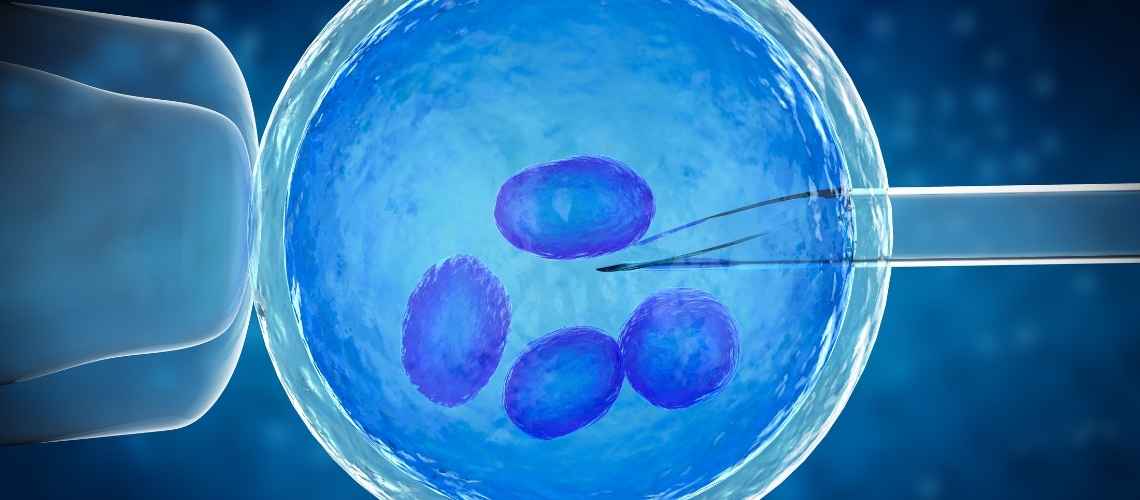
For men with infertility factors such as low sperm count or poor motility, advanced techniques like ICSI are often combined with IVF to increase fertilization chances. This makes male participation essential.
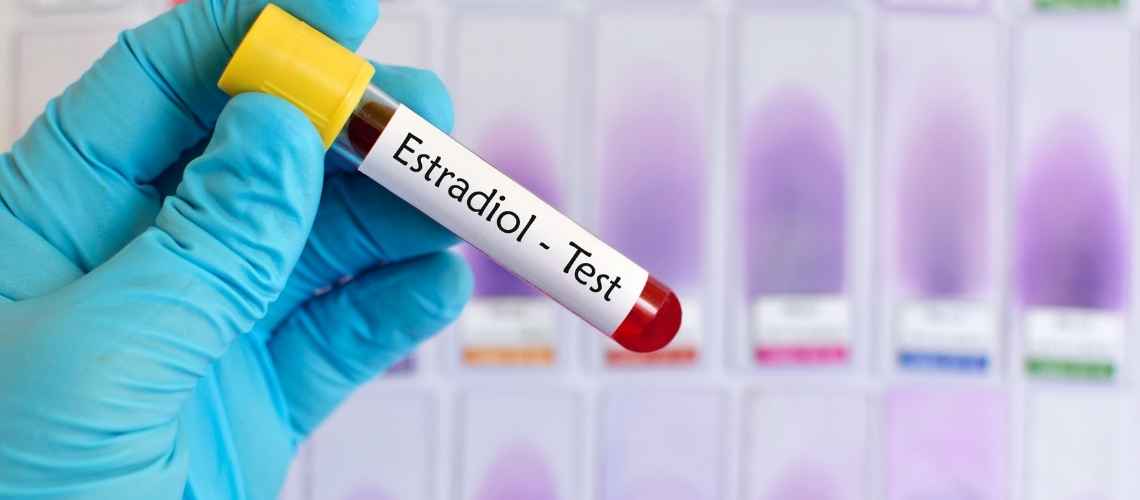
Men may also undergo medical evaluations, genetic testing, or hormonal analysis to determine sperm quality and identify underlying conditions affecting fertility.
While IVF is performed on women, male involvement through lifestyle optimization, medical care, and sperm provision is indispensable for successful outcomes.
Do countries offer same-sex couples the opportunity to have a baby?
In England, the National Institute for Health and Care Excellence (Nice) guidelines state that women can access NHS-funded IVF treatment if they have not conceived after 2 years of regular unprotected intercourse or 12 cycles of artificial insemination.
However, 80% of local clinical commissioning groups still require same-sex couples to have up to 12 rounds of IUI before they are eligible for NHS treatment, which can cost up to £1,600 per cycle at a private clinic.
In Scotland, all same-sex couples can have 6 donor insemination cycles and then 3 full IVF cycles if needed.
In England, 106 clinical commissioning groups ration access to NHS-funded fertility treatment with over a quarter denying access to same-sex couples and only 8 allowing direct access. (1)
Can men have IVF?
Gay couples who wish to start a family, have the option of using egg or embryo donation in combination with gestational surrogacy. The process of fertilization involves the use of sperm from one partner, however, some couples opt for split insemination where half of the eggs are fertilized with one partner’s sperm and the other half with the other partner’s sperm.
This method of conception, although a feasible option for starting a family, can come with a significant investment in terms of time, money, and effort. The medical procedure, legal contracts, agency fees, and other associated costs can put a considerable strain on the involved parties.
To ease the burden, clinics offer comprehensive support to their patients and are here to help you every step of the way. Your doctor can help you create a customized treatment plan that meets your family’s unique needs and experienced staff will be by your side throughout the entire process. Whether you choose split insemination or a different method, your fertility doctors are here to help make your dream of starting a family a reality. (2)
Can transgender people have IVF?
For transgender individuals and couples, some clinics provide pre- and post-transition fertility preservation and treatment options. This offers a way for transgender people to have a genetic connection to their future children through the freezing of eggs, sperm, or embryos prior to hormone therapy or surgery.
Not all transgender patients are capable of getting pregnant on their own, and some may require the help of assisted reproductive technology. The treatment options available include in vitro fertilization which may include donor eggs, sperm, or embryos, intrauterine insemination with the possibility of using donor sperm, or gestational surrogacy.
When undergoing fertility treatments, it may be necessary for transgender patients to temporarily delay hormone therapy. However, the doctor works closely with patients to minimize the disruption to their hormone therapy and to ensure a smooth transition throughout the treatment process.
It’s important to note that fertility preservation and treatment options for transgender individuals can vary depending on the clinic and the patient’s unique circumstances. It is recommended that individuals seek out clinics that specialize in treating the transgender community and have a supportive and inclusive environment. The clinic should also have a team of healthcare professionals who are knowledgeable and experienced in working with transgender patients to provide the best possible care. (3)
Frequently Asked Questions
Can men take IVF treatment or is IVF only performed on women?
IVF is a fertility treatment that involves both partners when male infertility is a factor. While women undergo ovarian stimulation and egg retrieval, men participate by providing sperm for fertilization.
What role does a man play during the IVF treatment process?
The male partner typically provides a semen sample for analysis and fertilization. Additional testing or sperm retrieval procedures may be required if there are concerns about sperm count, quality, or delivery.
Can men undergo fertility treatment as part of an IVF cycle?
Yes, men may receive fertility evaluations, lifestyle recommendations, medications, or surgical treatments before IVF. These interventions aim to improve sperm quality and increase the chances of successful fertilization.
Can IVF be performed when a man has a very low sperm count?
Yes, IVF combined with intracytoplasmic sperm injection (ICSI) can often be used when sperm count is low. A single healthy sperm can be injected directly into an egg to achieve fertilization.
What tests are commonly performed on men before IVF treatment?
Male fertility evaluation often includes semen analysis, hormone testing, physical examination, genetic testing in selected cases, and imaging studies when structural reproductive issues are suspected.
Can men take medications to improve fertility before IVF?
Depending on the cause of infertility, doctors may prescribe medications to address hormonal imbalances or other conditions. Treatment recommendations vary based on individual fertility findings and medical history.
What happens if a man cannot provide a sperm sample during IVF treatment?
Previously frozen sperm may be used when available. In some cases, surgical sperm retrieval techniques can obtain sperm directly from the testes or epididymis for use in IVF or ICSI procedures.
Can lifestyle changes improve male fertility before starting IVF?
Healthy habits such as quitting smoking, limiting alcohol, maintaining a healthy weight, exercising regularly, and reducing exposure to toxins may help support sperm quality and reproductive health.
Can donor sperm be used if male infertility prevents fertilization during IVF?
Yes, donor sperm may be considered when sperm retrieval is unsuccessful or when severe male infertility cannot be overcome through available treatments. This decision is made after careful counseling and discussion.
Does male age affect IVF success rates and fertility outcomes?
Yes, advancing male age may affect sperm quality, DNA integrity, fertilization rates, and pregnancy outcomes. However, age-related effects are generally less pronounced in men than in women.
Throsby, K., & Gill, R. (2004). “It’s different for men” masculinity and IVF. Men and masculinities, 6(4), 330-348.