Fertility refers to the natural capacity to conceive and carry a pregnancy to term. In IVF discussions, fertility is analyzed in terms of egg and sperm quality, uterine health, and the ability of embryos to implant successfully.
Male fertility is assessed by semen analysis, which examines sperm count, motility, and morphology. These parameters influence the fertilization process and guide whether standard IVF or ICSI will be required.
Female fertility evaluation focuses on ovarian reserve, hormonal balance, and tubal patency. Conditions such as PCOS, endometriosis, or diminished ovarian reserve may significantly affect treatment outcomes.
Assisted reproductive technology, including IVF, aims to overcome fertility challenges by bypassing natural barriers. Fertility discussions in IVF therefore encompass medical, genetic, and lifestyle factors impacting success.
What is IVF?
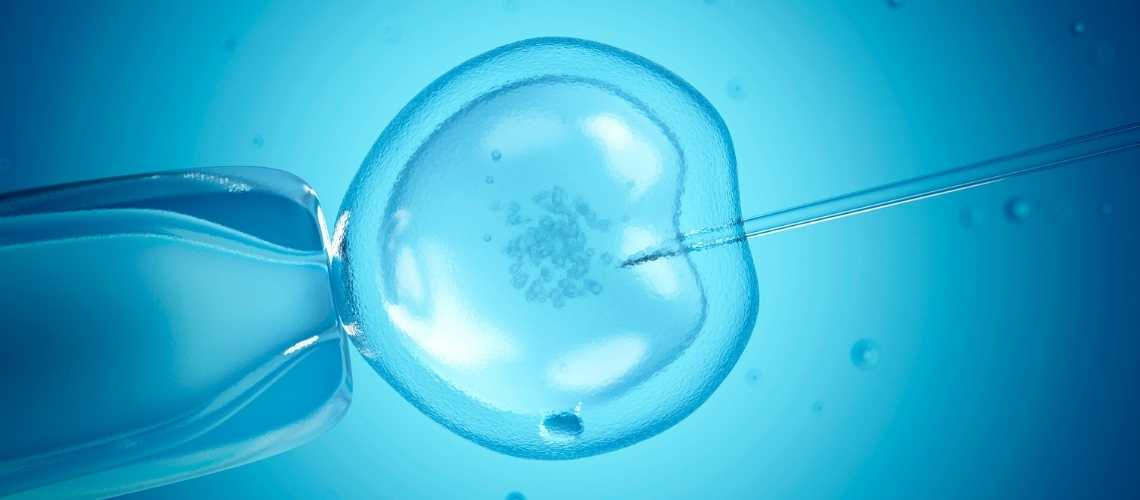
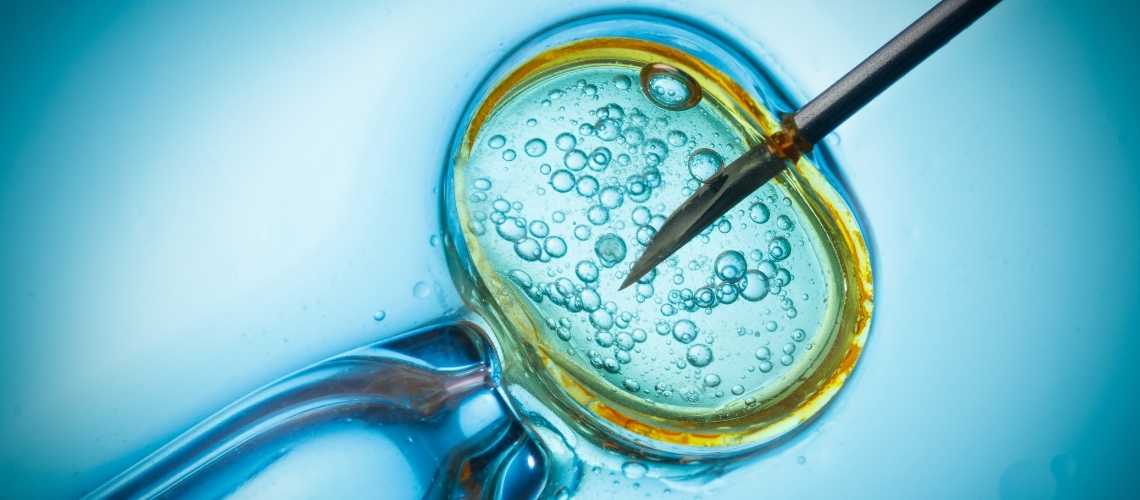
IVF is performed when sperm quality is considered ‘normal’. A treatment known as intracytoplasmic sperm injection (ICSI), where a single sperm is identified, can be utilized as an alternative if there are issues with sperm quality, such as low motility or numbers. An embryologist injects it into the egg.
After successful fertilization, the embryos are given two to six days to develop. This aids the embryologist in choosing the healthiest embryo, which is subsequently returned to the woman’s uterus in the pursuit of a healthy birth. (1)
How is IVF done?
In vitro fertilization (IVF) is the process of stimulating the ovaries to produce eggs. These eggs are then removed from the ovaries and fertilized in the laboratory with sperm or the donor sperm of your choice. Your embryos will grow in the lab and then be transferred to the uterus. Any remaining embryos can be frozen for future use. (2)
What are the risks of IVF?
Despite the fact that IVF is a safe treatment, there are a few risks to be aware of. Medication risks, ovarian hyperstimulation syndrome (OHSS), surgical risks, cycle disruption, and multiple births are some of them.
- Procedure risks
Uncomfort, bleeding, infection or damage to the nearby intestine, bladder, or blood arteries during the operation are possible dangers of an egg retrieval procedure. Even though they are very uncommon, infections can nevertheless necessitate surgery or antibiotics. Another concern is excessive sedation, which can create problems with the heartbeat or respiratory system in some people.
- Multiple pregnancies
To have a healthy baby is the aim of IVF. The danger of multiple pregnancies exists with IVF, though. When more than one embryo is transferred, there is a chance of multiple pregnancies. Miscarriage, early birthare among the risks associated with numerous pregnancies.
- Pregnancy risks
15% to 30% of IVF pregnancies result in miscarriages. The chance of early pregnancy loss (also known as miscarriage) with IVF is the same as the risk of conceiving naturally unless you have genetic testing done on your embryos.
This risk is highly correlated with the age of the egg donor. About 2% of IVF pregnancies result in ectopic births, in which the embryo is implanted in the Fallopian tube. Compared to spontaneous pregnancies, IVF carries an increased risk of high blood pressure, early birth, cesarean delivery, and low birth weight babies.
Birth abnormalities are a slight possibility in every pregnancy. About 3% to 5% of all pregnancies are at risk overall. (3)
Who can be a candidate for IVF?
IVF is not always necessary. For instance, some ovulation issues can be resolved by medicine alone, so it’s critical to be aware of all your alternatives before moving forward. People who can be a candidate for IVF are listed below.
- women whose fallopian tubes are blocked or damaged.
- individuals with unexplained fertility issues or those who have tried other treatments but failed.
- Men with aberrant sperm shape or motility, or men with excessive sperm counts. If these difficulties are serious, another procedure called intracytoplasmic sperm injection, or ICSI, might be required.
- Women who have had trouble ovulating and have tried alternative medications without success.
- older women who have a lower success rate with minimally invasive procedures.
- those who use surrogacy. (4)
Source:
Lundborg, P., Plug, E., & Rasmussen, A. W. (2014). Fertility effects on female labor supply: IV evidence from IVF treatments.