Azoospermia is absence of sperm in ejaculate; management begins with distinguishing obstructive from non‑obstructive causes. Endocrine, genetic, and imaging evaluation guides therapy. Sperm retrieval with ICSI enables biological parenthood in many cases despite severe male factor.
Diagnostic algorithm for azoospermia: repeat semen analyses with centrifugation, FSH/LH/testosterone, karyotype and Y‑microdeletion testing, CFTR studies when indicated, and scrotal or transrectal ultrasound. Consider biopsy for histology to define spermatogenesis potential.
Treatment options in azoospermia: correct endocrine deficits, treat infections, and address obstruction by microsurgical reconstruction. For NOA, use micro‑TESE, optimizing retrieval with hormonal priming when appropriate. Cryopreserve retrieved sperm and counsel on realistic success rates.
Fertility preservation and counseling: discuss timelines, donor sperm alternatives, and genetic transmission risks. Coordinate ART cycles to match retrieval timing, ensure informed consent regarding biopsy risks, and provide psychosocial support throughout diagnostic and therapeutic steps.
What is Azoospermia?
Azoospermia is the absence of measurable sperm in a man’s ejaculate (semen). It also means that a man has no sperm in his semen. The reproductive system is either blocked (obstructive azoospermia), or hormonal issues, ejaculatory issues, or issues with testicular structure or function are some of the possible causes of nonobstructive azoospermia.
Fertility can sometimes be restored as it might be possible to surgically collect live sperm for use in assisted reproductive methods for various purposes. Azoospermia affects 10% to 15% of infertile males and about 1% of all men. (1)
Are there types of azoospermia?
There are two main types of azoospermia:
- Obstructive azoospermia:
This type of azoospermia means there is a blockage or missing link in the epididymis, vas deferens, or elsewhere in yourthe reproductive system. There is no measurable amount of sperm in your semen although you are making sperm is produced butas theirthe output is blocked.
- Nonobstructive azoospermia:
This type of azoospermia refers to sperm production that is inadequate or absent due to problems with the testicles’ structure or function. (3)
How sperm can be extracted from men with azoospermia?
Sperm extraction may be an option for many azoospermic patients with nonobstructive azoospermia (NOA) as part of an IVF cycle. Because sperm can be found in some, but not all, testes of such men, multiple samples of testicular tissue are often taken to improve the chances of finding sperm in patients with nonobstructive azoospermia. This is known as TESE (testicular sperm extraction) which is a surgical biopsy of the testis. The biopsy itself is done by an urologist specialized in androlgy and the dissection of the biopsy is done in parallel by an embryologist. Biopsies are analyzed under a microscope in the operating room to determine in which sample sperm is present. This allows the urologist to be guided in a region of the testes where sperm can be found and used for fertilization.
TESA (testicular sperm aspiration) with negative pressure fluid and tissue aspiration by inserting a needle into the testis is done under local anesthesia for men with obstructive azoospermia.
How is azoospermia treated?
The cause of azoospermia affects the course of treatment. Understanding and treating azoospermia frequently involve genetic testing and counseling. Various treatment modalities include:
- Surgery can either unblock the tubes or reconstruct and tie up any abnormal or undeveloped tubes if a blockage is the root of azoospermia.
- Hormone therapy may be prescribed if low hormone production is the primary factor. Follicle-stimulating hormone, human chorionic gonadotropin, clomiphene, anastrozole, and letrozole are examples of hormones.
- If sperm production is inadequate due to a varicocele, the problematic veins can be tied up surgically while still protecting the surrounding structures.
- In certain men, sperm can be extracted directly from the testicles through a thorough biopsy.
If viable sperm are present, they can be extracted from the testicles, epididymis, or vas deferens for additional pregnancy procedures including in vitro fertilization or intracytoplasmic sperm injection (injection of a sperm into an egg).
Before considering assisted insemination procedures, your healthcare professional might advise genetic testing of your sperm if the reason for azoospermia is regarded to be something that can be passed on to children.
How can azoospermia be prevented?
There is currently no known way to prevent the genetic problems that lead to azoospermia. If your azoospermia is not a genetic problem, avoiding radiation, learning the dangers and advantages of medications that can impair sperm production, avoiding extended exposure to high temperatures for your testicles, and avoiding activities that can hurt the reproductive organs are a few of the things you can do.
Achieving Pregnancy with Azoospermia
Facing azoospermia does not mark the end of the road for aspiring parents. Remarkably, medical advancements offer hope and viable pathways toward parenthood. Firstly, addressing obstructive azoospermia often involves surgical interventions. These procedures aim to remove blockages, thereby facilitating the natural flow of sperm into the ejaculate. Hence, natural conception becomes a tangible possibility.
Furthermore, in instances of non-obstructive azoospermia, innovative techniques come to the fore. Specifically, sperm retrieval methods such as:
- Testicular sperm extraction (TESE)
- Microdissection TESE (micro-TESE)
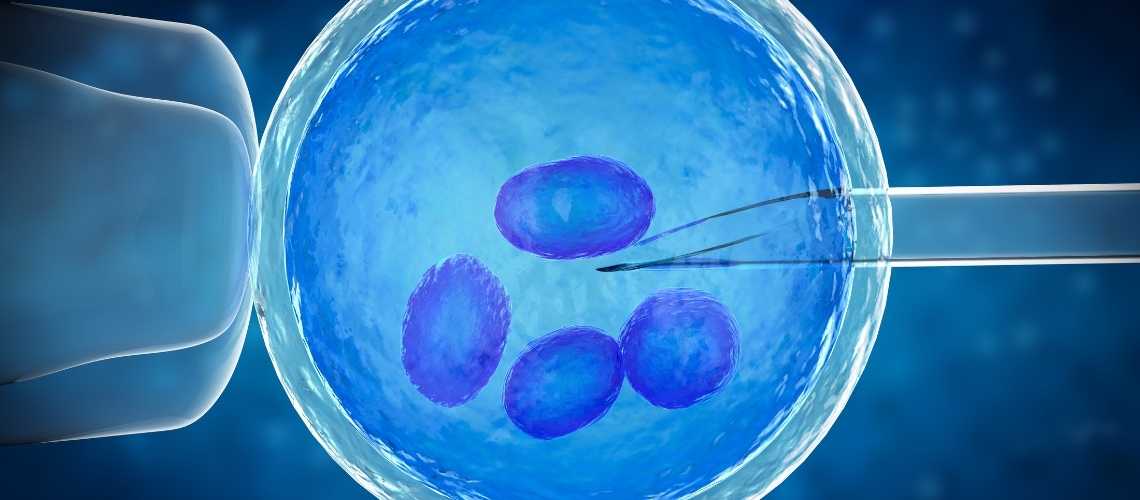
are pivotal. These approaches meticulously harvest sperm directly from the testicles. Subsequently, the extracted sperm is utilized in conjunction with In Vitro Fertilization (IVF) and Intracytoplasmic Sperm Injection (ICSI). This combination allows the injection of a single sperm into an egg, initiating fertilization.
Moreover, alternative options remain accessible for couples. Depending on individual circumstances and underlying causes, pathways such as adoption emerge as means to build a family. Ultimately, the journey to parenthood, despite azoospermia, is illuminated by a spectrum of solutions. Each tailored to navigate the complexities of infertility with a beacon of hope.
Frequently Asked Questions
Azoospermia Management: What are the main causes of having no sperm in the ejaculate?
Azoospermia may result from sperm production disorders, hormonal imbalances, genetic conditions, previous infections, testicular damage, or blockages within the reproductive tract. Identifying the exact cause is essential for selecting the most appropriate treatment.
Azoospermia Management: How is obstructive azoospermia different from non-obstructive azoospermia?
Obstructive azoospermia occurs when sperm production is normal but blocked from reaching the ejaculate. Non-obstructive azoospermia involves impaired sperm production within the testes and often requires a different diagnostic and treatment approach.
Azoospermia Management: Which diagnostic tests help determine the underlying cause?
Evaluation may include semen analysis, hormone testing, genetic studies, physical examination, scrotal ultrasound, and specialized fertility assessments. These investigations help identify whether the problem is related to production or obstruction.
Azoospermia Management: Can hormonal disorders be treated to restore sperm production?
In selected cases, hormonal therapy may improve sperm production when azoospermia is linked to endocrine abnormalities. Treatment success depends on the specific diagnosis, hormone levels, and the duration of the underlying condition.
Azoospermia Management: What surgical options are available for sperm retrieval?
Procedures such as TESE, micro-TESE, PESA, and TESA may be used to retrieve sperm directly from the testes or epididymis. Retrieved sperm can often be utilized in assisted reproductive techniques such as IVF with ICSI.
Azoospermia Management: Can men with azoospermia still become biological fathers?
Many men with azoospermia can achieve biological fatherhood through medical treatment, surgical sperm retrieval, or assisted reproductive technologies. The likelihood of success depends on the underlying cause and available sperm.
Azoospermia Management: How do genetic factors influence treatment planning?
Certain genetic abnormalities can affect sperm production and fertility outcomes. Genetic testing may provide valuable information regarding treatment options, reproductive risks, and the potential success of fertility interventions.
Azoospermia Management: Does age affect treatment success in azoospermic men?
Although male fertility generally declines more gradually than female fertility, age can influence sperm quality and reproductive outcomes. Overall health, testicular function, and underlying diagnosis often play larger roles than age alone.
Azoospermia Management: What lifestyle changes may support male reproductive health?
Maintaining a healthy weight, avoiding tobacco use, limiting alcohol consumption, managing chronic illnesses, and reducing exposure to excessive heat or toxins may help support reproductive health and fertility treatment outcomes.
Azoospermia Management: How can azoospermia affect emotional well-being and relationships?
An azoospermia diagnosis can create emotional stress, anxiety, and relationship challenges. Access to fertility counseling, psychological support, and clear communication with healthcare providers may help patients navigate the treatment journey.
Chiba, K., Enatsu, N., & Fujisawa, M. (2016). Management of non-obstructive azoospermia. Reproductive medicine and biology, 15, 165-173.