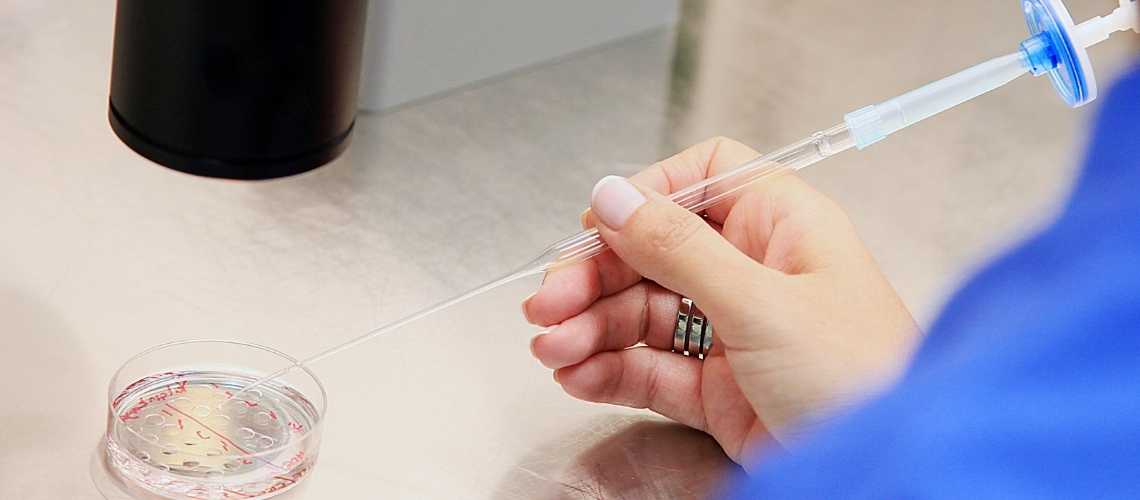
Cetrotide is a GnRH antagonist used during IVF to prevent premature ovulation. By blocking the natural surge of luteinizing hormone (LH), it ensures that egg retrieval occurs at the correct time, maximizing the number of mature eggs available for fertilization.
This medication works by directly suppressing pituitary gland activity. Through controlled inhibition of LH release, Cetrotide allows physicians to coordinate ovarian stimulation and plan egg collection precisely, improving the efficiency of the IVF process.
Cetrotide also reduces the risk of cycle cancellation caused by early ovulation. By maintaining hormonal stability, it supports better synchronization of egg maturation, ultimately increasing the chances of successful fertilization and embryo development.
The dosage and duration of Cetrotide treatment are individualized for each patient. Close medical monitoring ensures its effectiveness while minimizing side effects, making it a crucial component of modern IVF protocols.
What is Cetrotide used for and how does it help IVF?
Cetrotide contains cetrorelix as the active substance. This substance is excellent in blocking the effects of luteinizing-hormone-releasing hormone (LHRH) in the body. Cetrotide stops the production of LH by blocking the action of LHRH.
Therefore it prevents premature ovulation, which may cause the release of immature eggs that are not suitable for use in techniques such as in vitro fertilization (IVF Treatment in Turkey). Thanks to Cetrotide, the premature LH surge that allows the eggs to reach the level of development required for fertilization is prevented.
How is Cetrotide used?
Cetrotide is only obtainable with a prescription, and this type of fertility treatment should be carried out by an experienced and professional doctor.
Cetrotide powdered medication comes in a bottle that contains a prefilled syringe of diluent, a mixing needle, and an injection needle. It is given by injection under the skin of the lower abdomen (belly) at a dose of 0.25 mg every 24 hours in the morning or evening. (1)
Treatment usually begins on the 5th or 6th day of ovarian stimulation. During the period of ovarian stimulation, it is continued until the evening or morning of the day on which the induction of ovulation (the release of eggs) is planned.
The first injection should be done under the supervision of a doctor because of the possibility of a risk of severe allergic reactions. In addition, after the injection, the patient should be closely watched for the first 30 minutes for an emergency situation. (2)
As long as the patient is informed about what to do in case of an allergic reaction, other injections can be made by himself. It should be remembered that the drug should be slowly injected into different parts of the abdomen every day. It needs to be kept in the fridge and combined right.
What are the possible side effects?
The most common side effects of Cetrotide, which may affect 1 to 10 patients in 100, are mild to moderate overstimulation of the ovaries and reactions such as redness, swelling, and itching at the injection site. Sudden, severe allergic reactions that may affect 1 to 10 patients in 1000 have been reported with Cetrotide. (3)
Most common possible side effects:
- Abdominal pain
- Nausea
- Headache – you may take Tylenol (acetaminophen)
- Vaginal bleeding
- Injection site reaction (redness and itching) (4)
What precautions should be taken to ensure the safe and effective use of Cetrotide?
The guidelines and safety precautions listed in the package leaflet and summary of product characteristics for healthcare professionals and patients should be carefully read and taken into account for the safe and effective use of Cetrotide. Like with all medications, data on the usage of Cetrotide is continuously tracked, and the appropriate steps are taken to protect patients.
Is Cetrotide right for everyone undergoing IVF?
Primarily, Cetrotide functions to prevent premature ovulation, a vital aspect of the IVF process. However, the journey to successful fertilization is nuanced. Each individual presents unique responses to medication, necessitating a tailored approach. Consequently, healthcare professionals often explore alternatives to Cetrotide, including:
- GnRH agonists, which offer a different mechanism of action
- Other medications that suit the patient’s specific medical background and response patterns
Furthermore, while Cetrotide offers precision in timing ovulation, this precision comes with challenges. Specifically, the administration of Cetrotide injections demands strict adherence to timing. Additionally, the cost associated with Cetrotide can be significantly higher compared to other options. Hence, engaging in a detailed discussion with one’s doctor becomes crucial. Such conversations should encompass:
- The individual’s medical history
- Personal preferences regarding treatment
- Understanding the potential side effects
Ultimately, the decision to use Cetrotide within an IVF procedure should be made collaboratively. This ensures the chosen path aligns well with the patient’s circumstances and IVF goals, emphasizing the importance of a customized approach in the journey towards parenthood.
Frequently Asked Questions
What does Cetrotide do for IVF and why is it prescribed during treatment?
What does Cetrotide do for IVF and when is it usually started?
What does Cetrotide do for IVF and how does it prevent premature ovulation?
What does Cetrotide do for IVF and how is it administered?
What does Cetrotide do for IVF and what side effects may occur?
What does Cetrotide do for IVF and does every patient need it?
What does Cetrotide do for IVF and can the dosage change during treatment?
What does Cetrotide do for IVF and what happens if a dose is missed?
What does Cetrotide do for IVF and how is treatment monitored?
What does Cetrotide do for IVF and what should patients discuss with their fertility specialist?
Alieh Ghasemzadeh, M. D., Faliz, M. D., Farzadi, L., Nazli Navali, M. D., Behzad Bahramzadeh, M. D., Arash Fadavi, M. D., … & Hamdi, K. Effect of oral Utrogestan in comparison with Cetrotide on preventing luteinizing hormone surge in IVF cycles: A randomized controlled trial.